


Descriptive Set Theory and Computer Science: A New Bridge Links the Strange Math of Infinity to Algorithms
Descriptive Set Theory and Computer Science are fields that, at first glance, appear worlds apart. Mathematicians have long studied sets—collections of objects forming the foundation of modern mathematics. Most researchers take set theory for granted, focusing on problem-solving without worrying about the strange, infinite cases. But for a small niche of experts known as descriptive set theorists, infinity is front and center.
These mathematicians explore the weird, counterintuitive properties of infinite sets—territory that few others dare to venture. Traditionally, their work has been highly abstract and isolated, seemingly far removed from real-world applications. Problems involving infinite sets were considered purely theoretical, of interest only to specialists.
That changed in 2023 when mathematician Anton Bernshteyn made a surprising breakthrough. He discovered a deep connection between descriptive set theory and computer science, demonstrating that many problems about infinite sets can be rewritten as questions about how networks of computers communicate. In other words, abstract logical problems in mathematics could now be translated into algorithmic tasks in computer science.
At first glance, this link seems impossible: set theory deals with the infinite, while computer science focuses on finite systems. Yet, Bernshteyn’s work proves that the logical structures governing certain infinite sets can mirror the algorithms that computers use to transmit and process information. “This is something really weird,” said Václav Rozhoň, a computer scientist at Charles University in Prague. “Like, you are not supposed to have this.”
Since Bernshteyn’s discovery, researchers on both sides have begun exploring this bridge. Descriptive set theorists are applying computational insights to rethink their approach to infinity, while computer scientists gain new perspectives on algorithmic structures and network theory. Early collaborations suggest that translating abstract mathematical problems into computational frameworks can lead to faster solutions and deeper understanding in both fields.
Beyond theory, this connection has practical implications. Computer scientists can now study algorithmic behaviors inspired by infinite sets, potentially improving distributed computing, data networks, and even AI reasoning systems. Conversely, mathematicians can use computational models to test conjectures in set theory that were previously unreachable due to their abstract complexity.
The discovery also hints at a broader truth: even the most abstract corners of mathematics can intersect with tangible, real-world technology. By linking descriptive set theory and computer science, Bernshteyn’s work challenges the traditional divide between theoretical and applied disciplines. Researchers anticipate that this cross-pollination will result in new theorems, optimized algorithms, and a better understanding of both infinite and finite systems.
In the coming years, the bridge between descriptive set theory and computer science may inspire more interdisciplinary research, combining logic, computation, and applied mathematics. As infinite sets meet finite computation, the boundaries of what is possible in both mathematics and computer science expand, proving that the abstract and practical can be surprisingly intertwined.
The intersection of descriptive set theory and computer science also opens doors for education and knowledge transfer. Students and researchers trained in traditional computer science or pure mathematics can now explore problems that were once considered purely theoretical. By demonstrating that infinite set problems can be approached with algorithmic thinking, educators can create new curricula that blend mathematics, logic, and computational theory. This approach not only deepens understanding but also encourages innovative problem-solving techniques that leverage both disciplines.
Furthermore, this connection could influence emerging technologies such as artificial intelligence, machine learning, and distributed networks. Algorithms inspired by descriptive set theory and computer science may provide more efficient ways to process complex data, detect patterns, and optimize computations. For example, concepts from infinite set theory can help model scenarios with unbounded possibilities, enabling AI systems to reason about more abstract situations. The synergy between these fields promises to accelerate innovation in both theoretical mathematics and practical computing applications, making it a frontier of research for years to come.



Related Posts

Medicare, Medicaid, and Beyond: Your Guide to Public Health Insurance in the USA
Cryptography: Developing Systems to Secure Data and Communications
Security Information and Event Management (SIEM): Monitor and Analyze Security Logs Effectively

BOE’s Struggle with iPhone OLED Production: Impact on Apple and the Display Industry

Penetration Testing: Identifying Website and Network Vulnerabilities

Weather App Development: Building a Real-Time Weather Application Using OpenWeatherMap API
Smart Energy Management System: Optimize Energy Consumption Using IoT, Sensors, and Actuators

Wearable Device Development: Track Fitness, Health, and Environmental Data with Arduino or Raspberry Pi

Predictive Modeling Using Machine Learning: A Complete Guide for Businesses

Predictive Modeling: Using Machine Learning to Predict Customer Churn, Sales, and Business Outcomes

Data Visualization Dashboard Development: Visualizing Insights Using Tableau, Power BI, and D3.js
Social Media Platform Development Using React, Node.js, and MongoDB
Blog Website Development: Using WordPress CMS or Building a Custom Blog with HTML, CSS, and JavaScript

Predictive Maintenance: Building a Machine Learning Model to Predict Equipment Failures and Reduce Downtime
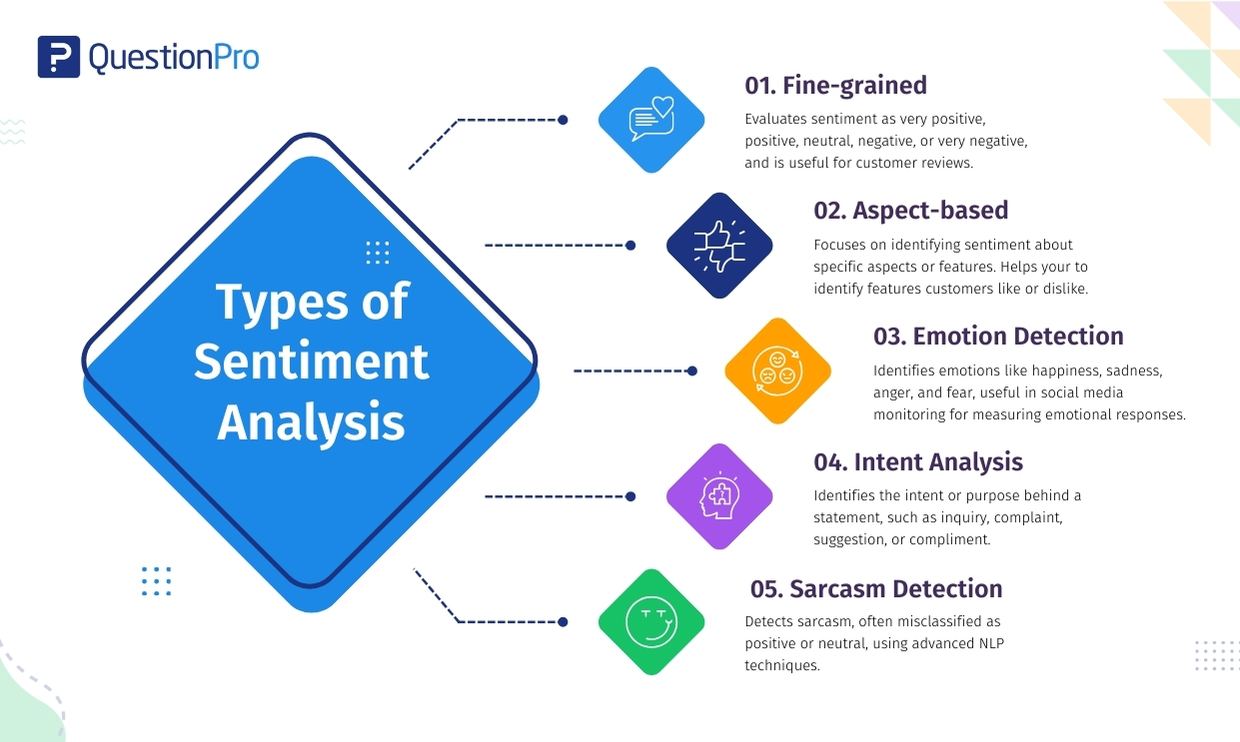
Sentiment Analysis: Building a Model to Analyze Text Data and Determine Sentiment

Image Classification: Develop a Deep Learning Model to Categorize Images

Chatbot Development: Build a Conversational AI Chatbot Using NLP and Machine Learning

Tech Industry Trends: Job market, skills in demand, and future prospects

Nanotechnology: Applications, Benefits, and Potential Risks

Change Management: Implementing Digital Transformation, Training, and Adoption

VR and AR Applications: Gaming, Education, and Enterprise Use Cases
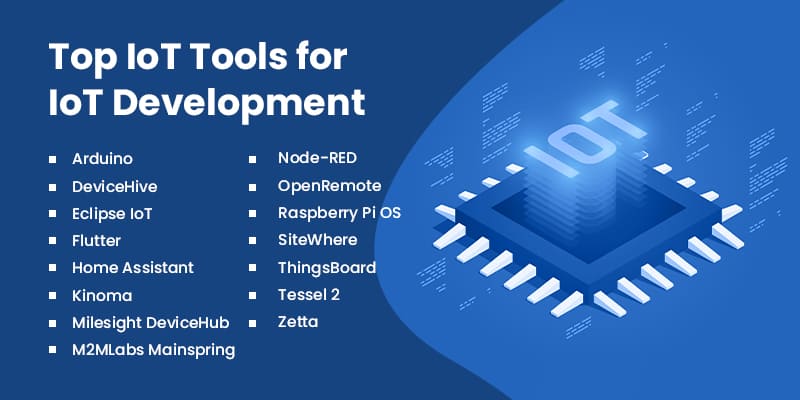
IoT Development: Platforms, Tools, and Programming Languages

Cloud Security: Data Protection, Access Control, and Compliance
Cloud Migration: Strategies, Benefits, Challenges, and Best Practices

French Court Ruling on Apple’s Tracking: App Tracking Transparency Stands

Robotics Breakthrough: Handy Robot That Can Crawl and Pick Up Objects

Apple, Google Announce Multi-Year AI Collaboration Using Gemini: A New Era for AI Assistants


PTA Tax Reduction: What It Means for Mobile Users in Pakistan

Gul Plaza Fire: How a Deadly Inferno Exposed Karachi’s Safety Failures

Verizon Outage Update Critical Service Restored After 10-Hour


The Importance of Data Analytics in Business Decision-Making
The Future of Autonomous Vehicles

75 Countries Visa Pause: What It Means for Global Travel and Immigration

School Closing in USA What Parents Should Know
School Closing in USA, What Parents Should Know


The Best Smartphones for Photography in 2026: Capture Every Moment in Stunning Detail


WordPress Not Loading: Reasons and How to Fix It

How to Fix Slow Loading Issues in Google Chrome
No-Code Business Ideas That Make Millions in 2026

How to Become a Tech Entrepreneur in 2026

How to Create a Successful YouTube Channel in 2026
Best Free Video Editing Software for YouTubers in 2026

How to Make Money Online in Pakistan: Proven Ways to Earn in 2026

Top 5 Laptops for Gaming in 2026: Ultimate Picks for Every Gamer

10 Ways to Boost Your Laptop’s Battery Life


Review of the Latest Smartwatch Trends: What’s Hot in Wearable Tech

Samsung vs iPhone Cameras: Which Is Better for Photography in 2026?
How AI is Changing the Way We Live and Work: Transforming Everyday Life

How to Build a Gaming PC: A Step-by-Step Beginner’s Guide

The Best Password Manager: Secure Your Digital Life in 2026
The Future of Drones in Pakistan: Transforming Industries and Innovation

How to Speed Up Your Laptop: Simple Tips That Actually Work

The Ethics of Facial Recognition Tech: Balancing Innovation and Privacy

The Role of Tech in Disaster Management: Saving Lives Through Innovation
The Future of 3D Printing: Transforming Manufacturing and Beyond

The Best Free Antivirus Software: Protect Your Devices Without Paying

How to Protect Your Phone from Hackers: Essential Security Tips

The Top Tech Conferences in Asia: Where Innovation Meets Opportunity

The Pros and Cons of Online Shopping: A Complete Guide for Modern Consumers

The Future of Virtual Assistants: Smarter, More Human, and Everywhere

Top Tech Myths Debunked: Separating Fact from Fiction
How AI is Changing Customer Service: Enhancing Support and Experience

Pakistan Top Tech Influencers to Follow: Insights, Reviews & Innovation
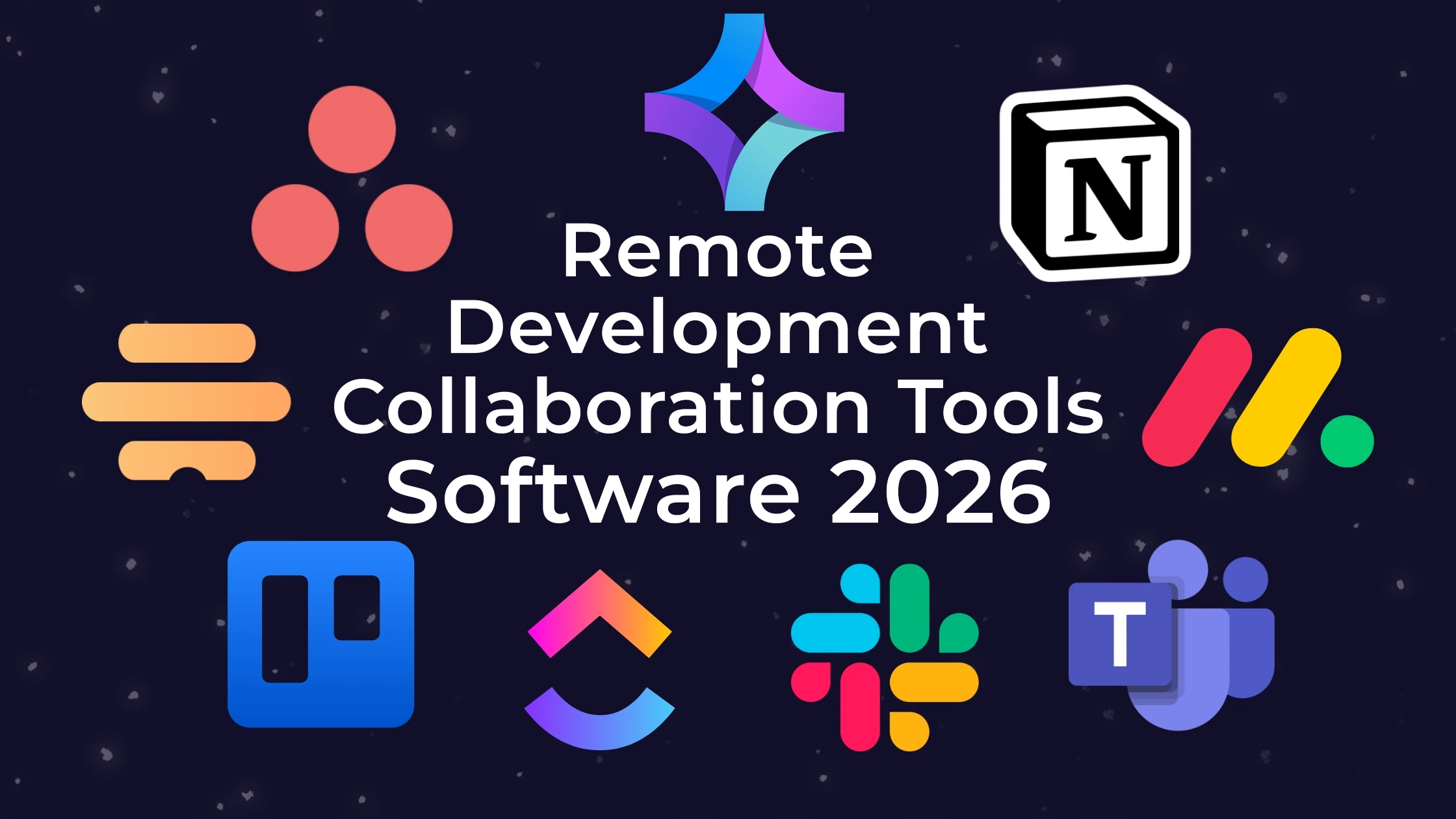
Best Remote Development Collaboration Tools Software 2026

The Rise of E-Sports in Pakistan: Gaming as a Professional Career

The Impact of Technology on Pakistan Education System : Transforming Learning and Teaching

The Top Tech Companies to Work for in Pakistan: Careers, Culture, and Opportunities

How to Protect Your Data Online: Tips for Cybersecurity and Privacy

The Role of Women in Pakistan Tech Industry: Breaking Barriers and Driving Innovation

The Dark Side of Social Media: Addiction & More
Coding for Kids: Is it Worth the Hype?

The Impact of IoT on Daily Life: Transforming How We Live, Work, and Interact

Top Tech Conferences in Pakistan: Networking, Innovation, and Growth Opportunities

The Future of Electric Vehicles in Pakistan: Opportunities, Challenges, and Growth

The Best Productivity Apps for Students: Maximize Learning and Time Management

Pakistan’s Digital Payment Revolution: Transforming Commerce and Financial Inclusion


The Impact of Technology on Pakistan’s Economy
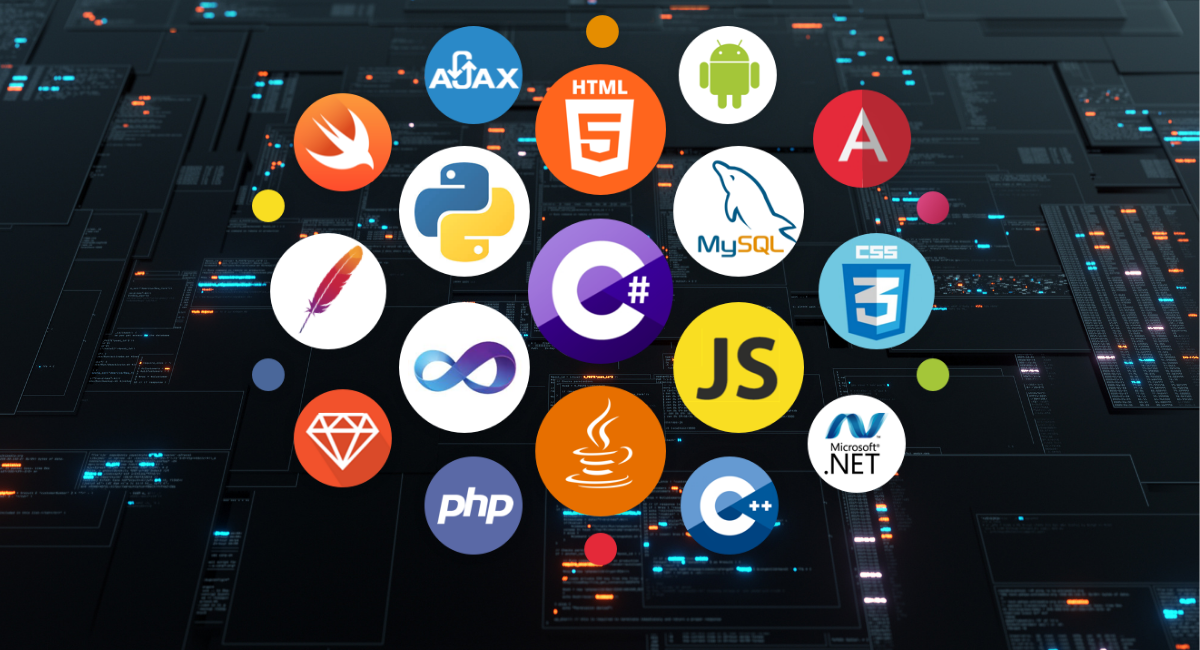
Top Programming Languages to Learn

The Rise of E-Learning Platforms: Revolutionizing Education

Human-AI Collaboration Tools: AI as a True Teammate Enhancing Productivity and Creativity
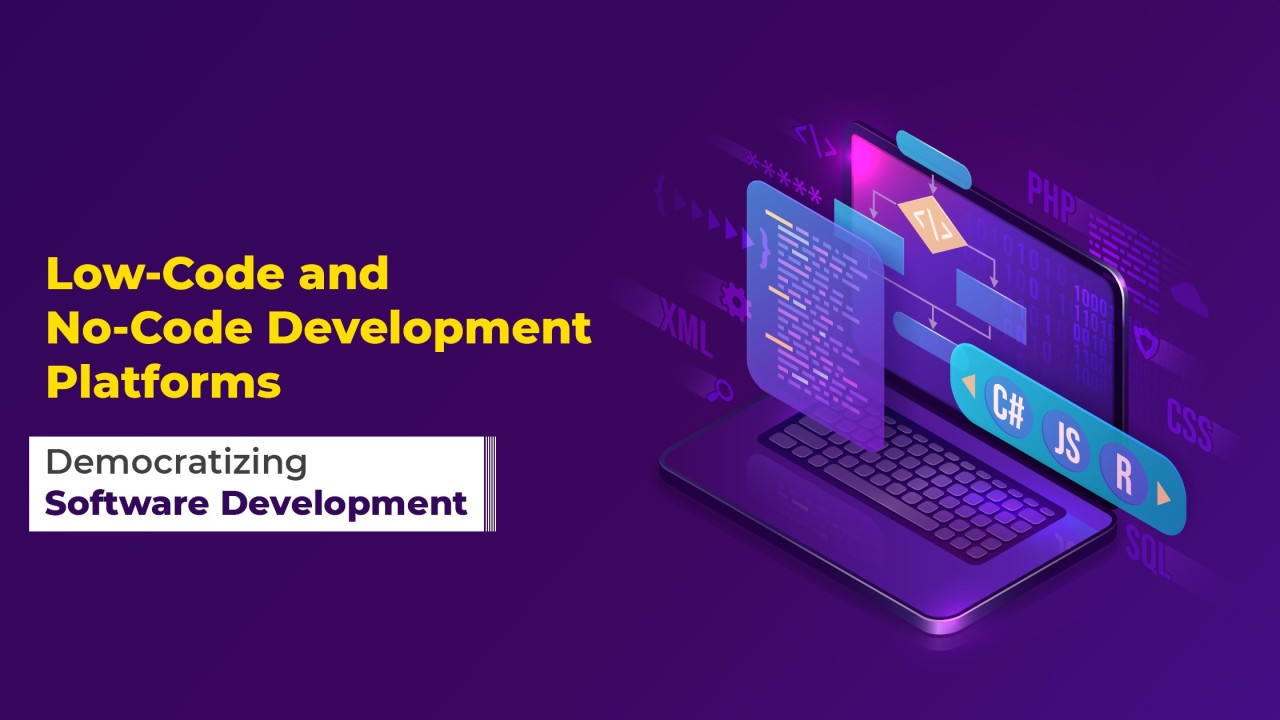
Low-Code, No-Code, and AI-Assisted Dev: Democratizing Software Development with AI-Powered Tools

Generative AI 2.0: Multimodal AI systems that combine text, visuals, code, and data, unlocking new enterprise applications
AI Governance and Regulation: Ensuring AI Transparency, Fairness, and Accountability

Humanoid Robots: AGIBOT’s Production-Ready Robots Are Changing Industries
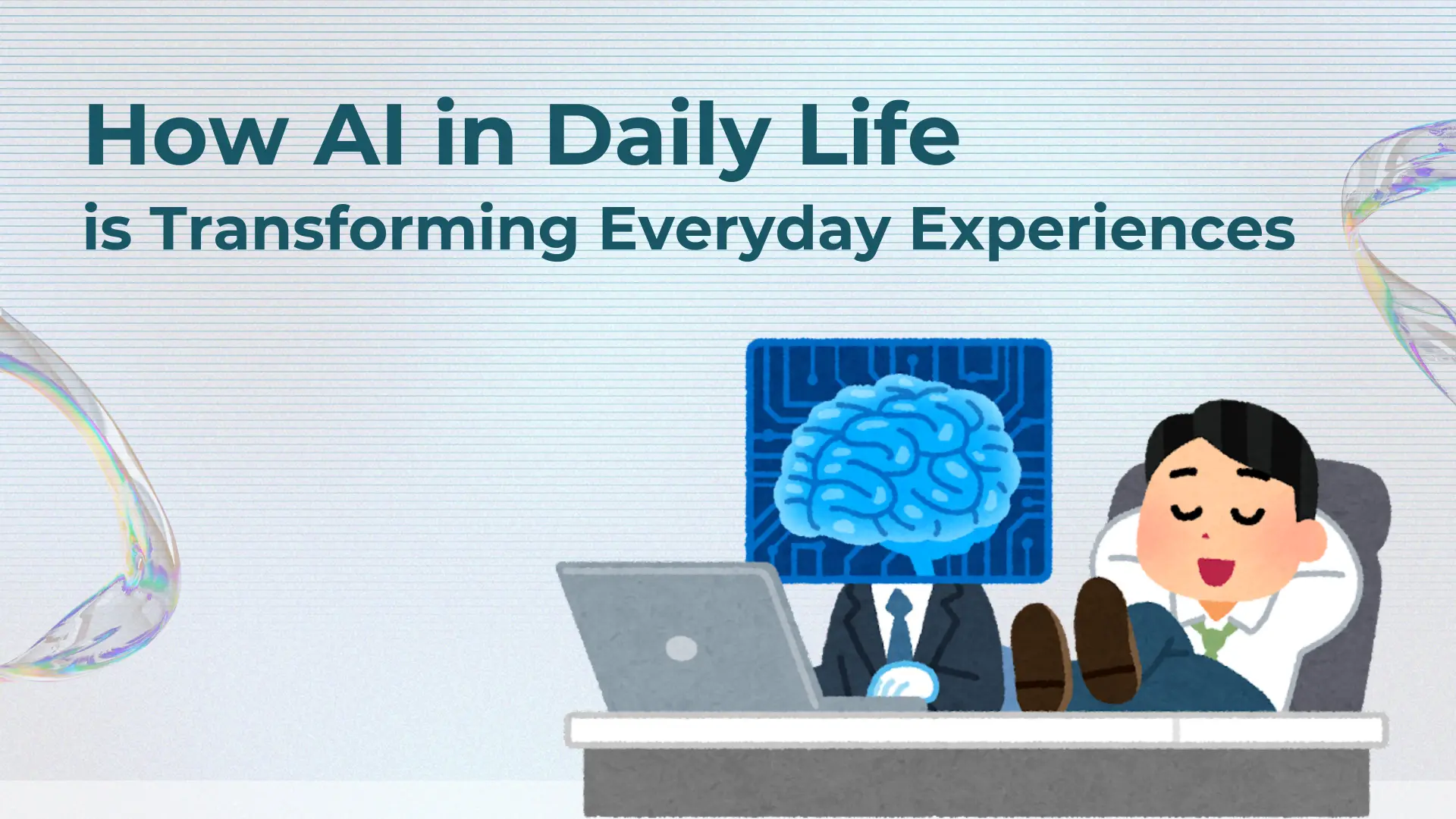
AI in Everyday Life: How AI Is Transforming Daily Tasks and Experiences

AI in Healthcare: How Machine Learning Is Revolutionizing Patient Care

Gaming on the Go: The Evolution of Mobile Gaming
The Ethics of Technology: Balancing innovation with responsibility

Virtual Reality: Transforming the Way We Experience the Digital World

Demystifying Quantum Computing: What You Need to Know

The Role of Internet of Things in smart cities (IoT) in Shaping the Future of Cities
The Top Emerging Tech Trends in Pakistan

The Benefits and Drawbacks of Virtual Reality in Education

How Blockchain is Revolutionizing Industries Beyond Crypto currency
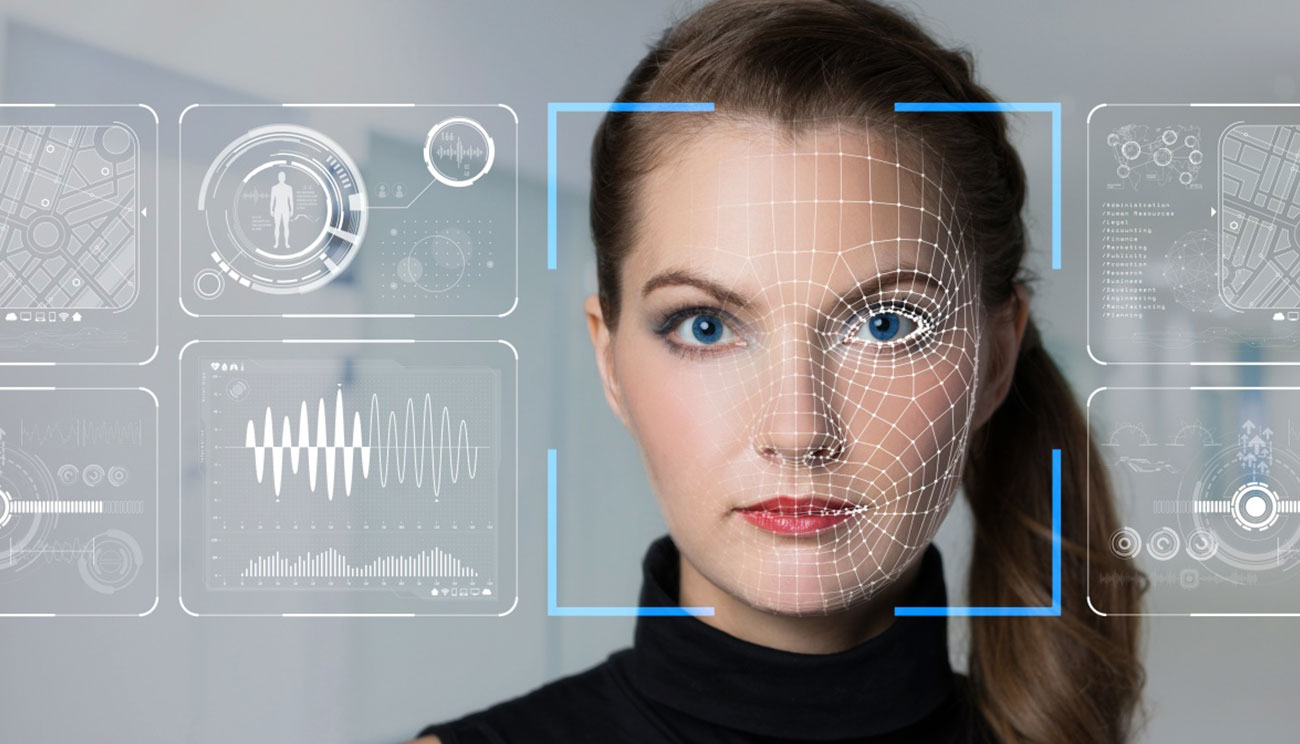
The Pros and Cons of Facial Recognition Technology

The Rise of Smart Homes: How Technology Is Changing the Way We Live

Cybersecurity in the Age of Remote Work: Challenges and Solutions

The Future of Artificial Intelligence: Trends to Watch
The Benefits of Microservices Architecture for Modern Applications
The Role of Artificial Intelligence in Predictive Maintenance

How Businesses Can Leverage Social Media Analytics for Growth

The Impact of Quantum Computing on Cybersecurity: A New Era of Threats
The Benefits of Serverless Computing 2026, The Architecture for Modern Applications

Why Businesses Should Prioritize Digital Transformation in 2026

The Potential of Augmented Reality in Education and Training

The Role of DevOps in Modern Software Development: Benefits and Challenges

Cloud Computing for Small Businesses: Benefits and Best Practices

The Future of Work: How Automation and AI Are Transforming the Job Market

Blockchain in Supply Chain Management: A Game-Changer for Transparency and Efficiency

Data Analytics: Unlocking Business Insights and Driving Growth

5G for Businesses: Leveraging Next-Gen Connectivity for Growth

Cybersecurity in the Age of IoT: Threats and Opportunities

The Future of E-commerce: How AI is Revolutionizing Online Shopping

Birdbuddy Smart Bird Feeder Launches at CES 2026: Birdbuddy 2 and Birdbuddy 2 Mini
Most Anticipated Video Games 2026 That Gamers Can’t Wait For

Voicebuds: Subtle Launches Next Generation Earbuds for Voice Computing

Robots: Transforming the Future of Technology and Daily Life

Graphic Designing: The Art and Science of Visual Communication

Xthings Smart Home Devices at CES 2026 Redefine Home Security and Automation

SwitchBot Onero H1 Home Robot Redefines Smart Living at CES 2026

Beats Solo 4 Headphones Deal: Amazon Slashes $70 Off in All Colors

Digital Marketing Services for Small Businesses: Simply Social Media LLC Expands to Drive Growth
Why Japan’s Internet Feels Unusual to Outsiders — But Makes Sense to Locals


ASUS Unveils ROG Strix XG34WCDMS Featuring a 34-Inch 280Hz 5th-Gen QD-OLED Display

The Top Agentic AI Browsers to Watch in 2026