

The Benefits of Serverless Computing 2026, The Architecture for Modern Applications
Benefits of Serverless Computing 2026, The Architecture is transforming the way modern applications are built, deployed, and scaled. Unlike traditional server-based infrastructure, serverless computing removes the burden of server management, allowing developers to focus entirely on writing code and delivering business value. In an era where speed, scalability, and cost efficiency are critical, serverless architecture has emerged as a powerful solution for cloud-native development in 2026.
With organizations increasingly adopting agile and DevOps practices, serverless architecture aligns perfectly with modern development needs. It enables rapid innovation, seamless scaling, and efficient resource utilization, making it an ideal choice for startups, enterprises, and digital-first businesses.
What are the Advantages of using Serverless Backend Development Models?
Key Benefits of Serverless Computing 2026
1. Scalability on Demand
One of the most compelling Benefits of Serverless Computing 2026 is its ability to scale automatically based on demand. Serverless platforms such as AWS Lambda, Google Cloud Functions, and Microsoft Azure Functions dynamically allocate resources in response to incoming requests. Whether an application experiences a sudden traffic surge or seasonal usage spikes, serverless systems adjust instantly without manual intervention.
This elasticity ensures consistent performance and reliability while eliminating the risk of over-provisioning or underutilization of resources. Businesses can confidently deploy applications knowing they can handle unpredictable workloads.
2. Cost Efficiency and Optimized Resource Usage
Benefits of Serverless Computing 2026 Operates on a consumption-based pricing model, where businesses only pay for the execution time and resources used by their functions. Unlike traditional hosting models that require continuous server uptime, serverless architecture eliminates costs associated with idle infrastructure.
This pay-as-you-go approach makes serverless especially attractive for startups, small businesses, and applications with variable workloads. By optimizing resource usage, organizations can significantly reduce operational expenses while maintaining high performance.
3. Faster Development and Deployment Cycles
Benefits of Serverless Computing 2026 Accelerates the software development lifecycle. Developers can deploy individual functions independently without worrying about server configuration or capacity planning. This modular approach supports continuous integration and continuous delivery (CI/CD), enabling teams to release updates and new features more frequently.
Faster deployment not only improves time-to-market but also allows businesses to respond quickly to customer feedback and changing market demands. As a result, innovation becomes more agile and less constrained by infrastructure limitations.
4. Reduced Operational Overhead
Managing servers involves tasks such as patching, scaling, monitoring, and capacity planning—all of which require time, expertise, and resources. Serverless architecture transfers these responsibilities to cloud providers, significantly reducing operational overhead.
By eliminating infrastructure management, development teams can concentrate on core business logic and application performance. This shift increases productivity, simplifies maintenance, and allows organizations to allocate resources toward innovation rather than routine operations.
5. Enhanced Reliability, Security, and Availability
Serverless platforms are designed with built-in fault tolerance and high availability. Workloads are automatically distributed across multiple availability zones, ensuring resilience against failures. Cloud providers handle redundancy, backups, and disaster recovery, minimizing the risk of downtime.
Additionally, serverless environments benefit from advanced security measures such as automatic patching, isolation between functions, and fine-grained access controls. These features help protect applications and data while reducing security management complexity.
Common Use Cases for Serverless Architecture
- Event-Driven Applications: Serverless functions are ideal for handling real-time events such as file uploads, messaging systems, chatbots, and IoT data streams.
- Microservices Architecture: Each microservice can be deployed as an independent serverless function, improving scalability and maintainability.
- API Backends: Serverless provides scalable, low-latency API endpoints for web and mobile applications without managing backend servers.
- Data Processing Pipelines: Serverless functions efficiently handle batch processing, ETL workflows, and real-time analytics with minimal configuration.
Challenges to Consider
Despite its many advantages, serverless architecture is not without challenges. Cold start latency can occasionally impact response times, particularly for infrequently used functions. Vendor lock-in is another concern, as applications may become tightly coupled with a specific cloud provider’s ecosystem.
Monitoring and debugging distributed serverless functions can also be more complex than traditional applications. However, these challenges can be mitigated through proper architecture design, observability tools, and careful selection of cloud services.
Conclusion
Benefits of Serverless Computing 2026 is reshaping modern application development by offering unmatched scalability, cost efficiency, and operational simplicity. By removing infrastructure management from the equation, it empowers development teams to focus on innovation, performance, and user experience.
As businesses continue to prioritize agility and digital transformation in 2026, serverless architecture provides a future-ready foundation for building resilient, scalable, and high-performing applications. Organizations that embrace serverless solutions can innovate faster, reduce costs, and maintain a competitive edge in an increasingly cloud-driven digital landscape.



Related Posts

Medicare, Medicaid, and Beyond: Your Guide to Public Health Insurance in the USA
Cryptography: Developing Systems to Secure Data and Communications
Security Information and Event Management (SIEM): Monitor and Analyze Security Logs Effectively

BOE’s Struggle with iPhone OLED Production: Impact on Apple and the Display Industry

Penetration Testing: Identifying Website and Network Vulnerabilities

Weather App Development: Building a Real-Time Weather Application Using OpenWeatherMap API
Smart Energy Management System: Optimize Energy Consumption Using IoT, Sensors, and Actuators

Wearable Device Development: Track Fitness, Health, and Environmental Data with Arduino or Raspberry Pi

Predictive Modeling Using Machine Learning: A Complete Guide for Businesses

Predictive Modeling: Using Machine Learning to Predict Customer Churn, Sales, and Business Outcomes

Data Visualization Dashboard Development: Visualizing Insights Using Tableau, Power BI, and D3.js
Social Media Platform Development Using React, Node.js, and MongoDB
Blog Website Development: Using WordPress CMS or Building a Custom Blog with HTML, CSS, and JavaScript

Predictive Maintenance: Building a Machine Learning Model to Predict Equipment Failures and Reduce Downtime
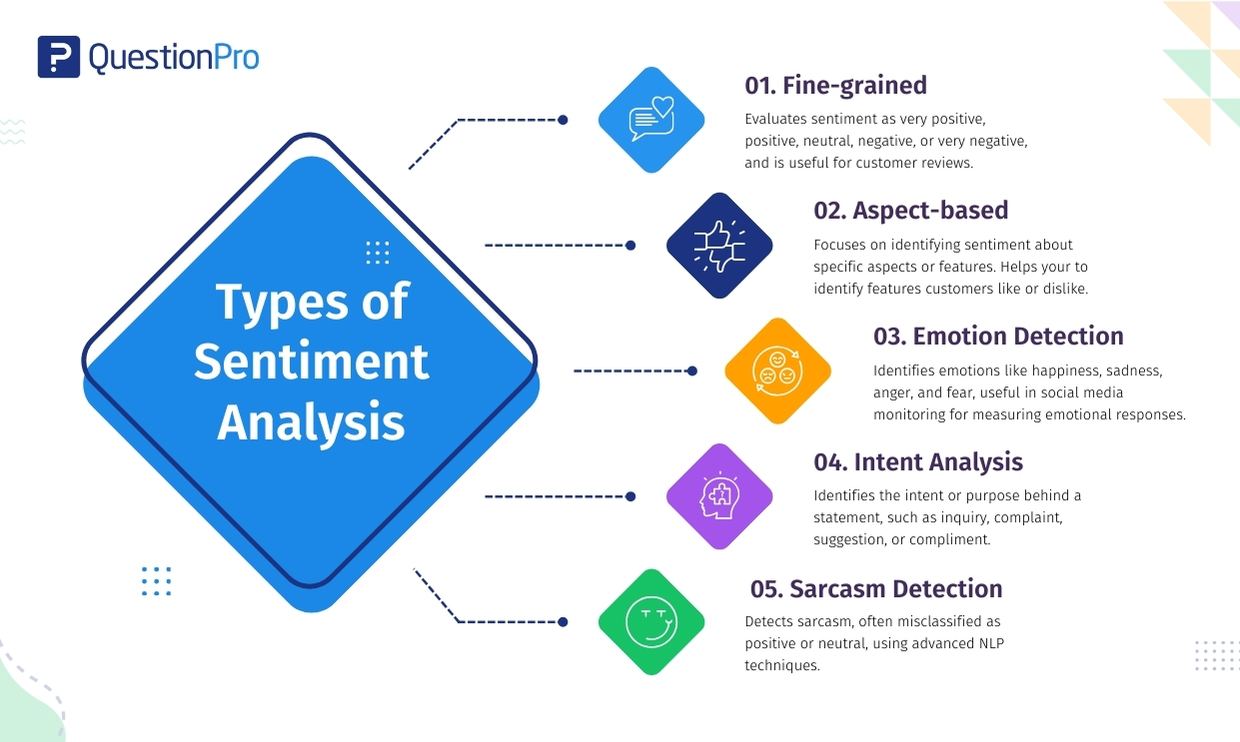
Sentiment Analysis: Building a Model to Analyze Text Data and Determine Sentiment

Image Classification: Develop a Deep Learning Model to Categorize Images

Chatbot Development: Build a Conversational AI Chatbot Using NLP and Machine Learning

Tech Industry Trends: Job market, skills in demand, and future prospects

Nanotechnology: Applications, Benefits, and Potential Risks

Change Management: Implementing Digital Transformation, Training, and Adoption

VR and AR Applications: Gaming, Education, and Enterprise Use Cases
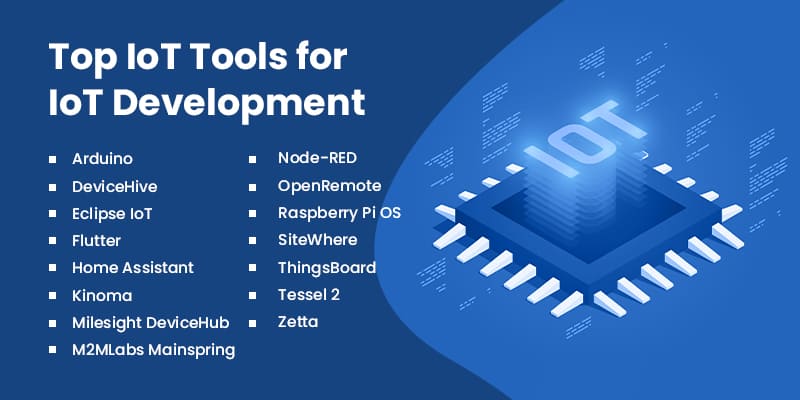
IoT Development: Platforms, Tools, and Programming Languages

Cloud Security: Data Protection, Access Control, and Compliance
Cloud Migration: Strategies, Benefits, Challenges, and Best Practices

French Court Ruling on Apple’s Tracking: App Tracking Transparency Stands

Robotics Breakthrough: Handy Robot That Can Crawl and Pick Up Objects

Apple, Google Announce Multi-Year AI Collaboration Using Gemini: A New Era for AI Assistants


PTA Tax Reduction: What It Means for Mobile Users in Pakistan

Gul Plaza Fire: How a Deadly Inferno Exposed Karachi’s Safety Failures
Verizon Outage Update Critical Service Restored After 10-Hour



The Importance of Data Analytics in Business Decision-Making

The Future of Autonomous Vehicles

75 Countries Visa Pause: What It Means for Global Travel and Immigration

School Closing in USA What Parents Should Know
School Closing in USA, What Parents Should Know


The Best Smartphones for Photography in 2026: Capture Every Moment in Stunning Detail

WordPress Not Loading: Reasons and How to Fix It

How to Fix Slow Loading Issues in Google Chrome

No-Code Business Ideas That Make Millions in 2026

How to Become a Tech Entrepreneur in 2026

How to Create a Successful YouTube Channel in 2026
Best Free Video Editing Software for YouTubers in 2026

How to Make Money Online in Pakistan: Proven Ways to Earn in 2026

Top 5 Laptops for Gaming in 2026: Ultimate Picks for Every Gamer

10 Ways to Boost Your Laptop’s Battery Life


Review of the Latest Smartwatch Trends: What’s Hot in Wearable Tech

Samsung vs iPhone Cameras: Which Is Better for Photography in 2026?
How AI is Changing the Way We Live and Work: Transforming Everyday Life

How to Build a Gaming PC: A Step-by-Step Beginner’s Guide

The Best Password Manager: Secure Your Digital Life in 2026
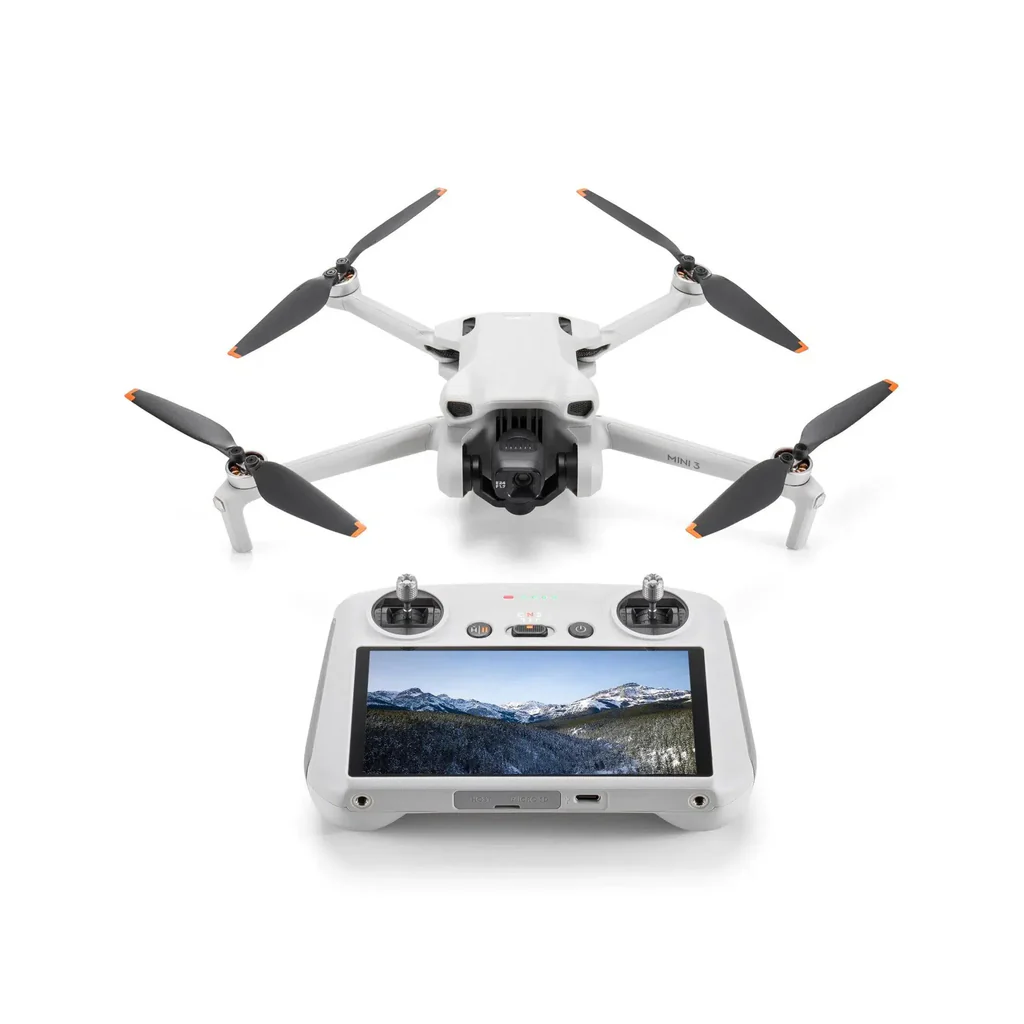
The Future of Drones in Pakistan: Transforming Industries and Innovation

How to Speed Up Your Laptop: Simple Tips That Actually Work

The Ethics of Facial Recognition Tech: Balancing Innovation and Privacy
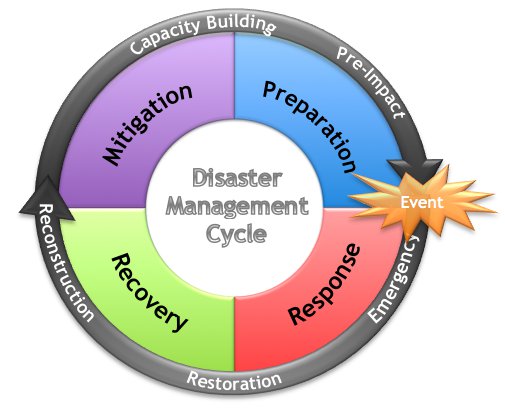
The Role of Tech in Disaster Management: Saving Lives Through Innovation

The Future of 3D Printing: Transforming Manufacturing and Beyond

The Best Free Antivirus Software: Protect Your Devices Without Paying

How to Protect Your Phone from Hackers: Essential Security Tips

The Top Tech Conferences in Asia: Where Innovation Meets Opportunity

The Pros and Cons of Online Shopping: A Complete Guide for Modern Consumers

The Future of Virtual Assistants: Smarter, More Human, and Everywhere

Top Tech Myths Debunked: Separating Fact from Fiction

How AI is Changing Customer Service: Enhancing Support and Experience

Pakistan Top Tech Influencers to Follow: Insights, Reviews & Innovation
Best Remote Development Collaboration Tools Software 2026

The Rise of E-Sports in Pakistan: Gaming as a Professional Career

The Impact of Technology on Pakistan Education System : Transforming Learning and Teaching

The Top Tech Companies to Work for in Pakistan: Careers, Culture, and Opportunities

How to Protect Your Data Online: Tips for Cybersecurity and Privacy

The Role of Women in Pakistan Tech Industry: Breaking Barriers and Driving Innovation

The Dark Side of Social Media: Addiction & More
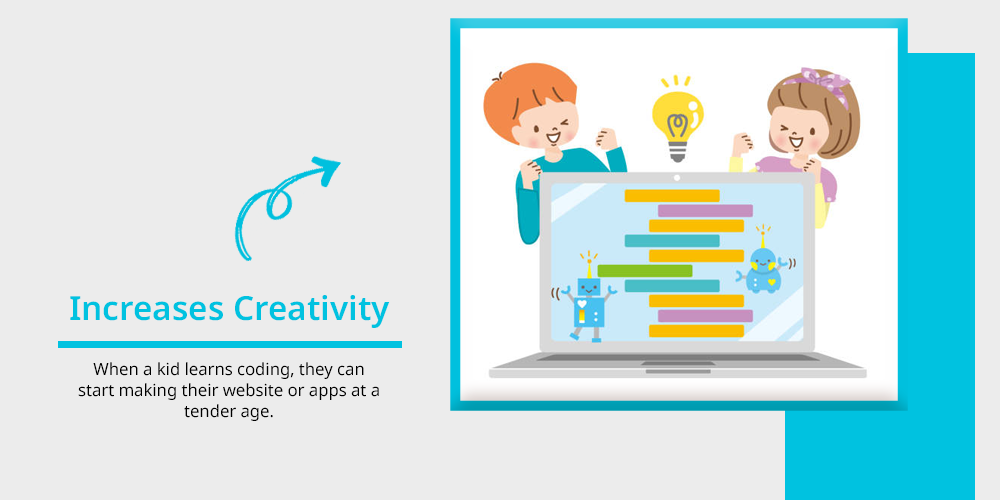
Coding for Kids: Is it Worth the Hype?

The Impact of IoT on Daily Life: Transforming How We Live, Work, and Interact

Top Tech Conferences in Pakistan: Networking, Innovation, and Growth Opportunities

The Future of Electric Vehicles in Pakistan: Opportunities, Challenges, and Growth

The Best Productivity Apps for Students: Maximize Learning and Time Management

Pakistan’s Digital Payment Revolution: Transforming Commerce and Financial Inclusion


The Impact of Technology on Pakistan’s Economy
Top Programming Languages to Learn

The Rise of E-Learning Platforms: Revolutionizing Education

Human-AI Collaboration Tools: AI as a True Teammate Enhancing Productivity and Creativity
Low-Code, No-Code, and AI-Assisted Dev: Democratizing Software Development with AI-Powered Tools

Generative AI 2.0: Multimodal AI systems that combine text, visuals, code, and data, unlocking new enterprise applications

AI Governance and Regulation: Ensuring AI Transparency, Fairness, and Accountability

Humanoid Robots: AGIBOT’s Production-Ready Robots Are Changing Industries
AI in Everyday Life: How AI Is Transforming Daily Tasks and Experiences

AI in Healthcare: How Machine Learning Is Revolutionizing Patient Care

Gaming on the Go: The Evolution of Mobile Gaming

The Ethics of Technology: Balancing innovation with responsibility

Virtual Reality: Transforming the Way We Experience the Digital World

Demystifying Quantum Computing: What You Need to Know

The Role of Internet of Things in smart cities (IoT) in Shaping the Future of Cities
The Top Emerging Tech Trends in Pakistan

The Benefits and Drawbacks of Virtual Reality in Education

How Blockchain is Revolutionizing Industries Beyond Crypto currency
The Pros and Cons of Facial Recognition Technology

The Rise of Smart Homes: How Technology Is Changing the Way We Live

Cybersecurity in the Age of Remote Work: Challenges and Solutions


The Future of Artificial Intelligence: Trends to Watch
The Benefits of Microservices Architecture for Modern Applications

The Role of Artificial Intelligence in Predictive Maintenance

How Businesses Can Leverage Social Media Analytics for Growth

The Impact of Quantum Computing on Cybersecurity: A New Era of Threats

Why Businesses Should Prioritize Digital Transformation in 2026

The Potential of Augmented Reality in Education and Training
The Role of DevOps in Modern Software Development: Benefits and Challenges

Cloud Computing for Small Businesses: Benefits and Best Practices

The Future of Work: How Automation and AI Are Transforming the Job Market

Blockchain in Supply Chain Management: A Game-Changer for Transparency and Efficiency

Data Analytics: Unlocking Business Insights and Driving Growth

5G for Businesses: Leveraging Next-Gen Connectivity for Growth

Cybersecurity in the Age of IoT: Threats and Opportunities

The Future of E-commerce: How AI is Revolutionizing Online Shopping

Birdbuddy Smart Bird Feeder Launches at CES 2026: Birdbuddy 2 and Birdbuddy 2 Mini

Descriptive Set Theory and Computer Science: A New Bridge Links the Strange Math of Infinity to Algorithms

Most Anticipated Video Games 2026 That Gamers Can’t Wait For

Voicebuds: Subtle Launches Next Generation Earbuds for Voice Computing

Robots: Transforming the Future of Technology and Daily Life

Graphic Designing: The Art and Science of Visual Communication

Xthings Smart Home Devices at CES 2026 Redefine Home Security and Automation

SwitchBot Onero H1 Home Robot Redefines Smart Living at CES 2026

Beats Solo 4 Headphones Deal: Amazon Slashes $70 Off in All Colors

Digital Marketing Services for Small Businesses: Simply Social Media LLC Expands to Drive Growth
Why Japan’s Internet Feels Unusual to Outsiders — But Makes Sense to Locals


ASUS Unveils ROG Strix XG34WCDMS Featuring a 34-Inch 280Hz 5th-Gen QD-OLED Display

The Top Agentic AI Browsers to Watch in 2026