

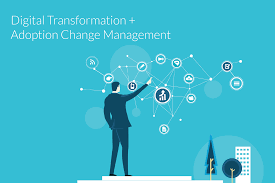
Change Management: Implementing Digital Transformation, Training, and Adoption
In today’s rapidly evolving business landscape, organizations are under constant pressure to innovate and adopt digital transformation initiatives. While technology offers unprecedented opportunities for growth and efficiency, implementing new systems, processes, and workflows can create significant challenges. This is where change management becomes critical.
Change management ensures that employees, stakeholders, and processes adapt smoothly to organizational changes, maximizing adoption and minimizing disruption. This blog explores how change management supports digital transformation, the importance of training, strategies for adoption, common challenges, and best practices for success.
What Is Change Management?
Change management is a structured approach to transitioning individuals, teams, and organizations from a current state to a desired future state. In the context of digital transformation, it involves managing the human and operational aspects of adopting new technology, processes, or business models.
Key objectives of change management include:
- Reducing resistance to change.
- Ensuring adoption of new tools and processes.
- Minimizing disruption to operations.
- Improving organizational efficiency and productivity.
By focusing on both people and processes, change management bridges the gap between technology implementation and its effective use within the organization.
The Role of Change Management in Digital Transformation
Digital transformation initiatives often involve implementing cloud computing, AI, analytics platforms, ERP systems, or collaborative tools. While these technologies promise efficiency and innovation, they can fail if employees do not embrace them. Change management ensures:
- Alignment with Business Goals: Ensuring that technology adoption aligns with strategic objectives.
- Employee Engagement: Communicating the benefits of transformation to motivate users.
- Reduced Resistance: Addressing fears and concerns through clear communication and involvement.
- Maximized ROI: Ensuring that new systems are used effectively to achieve intended benefits.
Without structured change management, even the most advanced technology may remain underutilized or fail to deliver value.
Key Components of Change Management
Effective change management involves several core components:
1. Leadership and Sponsorship
- Leaders play a critical role in driving change and setting the tone for adoption.
- Visible sponsorship from executives increases employee confidence and commitment.
2. Communication
- Clear, consistent, and transparent communication is essential.
- Employees should understand why the change is happening, what it involves, and how it benefits them.
- Multiple channels—emails, meetings, webinars, and intranet portals—should be used for outreach.
3. Training and Skill Development
- Employees need practical training on new systems, tools, and workflows.
- Training programs should include hands-on practice, online modules, and user manuals.
- Continuous learning opportunities help reinforce adoption and build confidence.
4. Adoption Strategies
- Early engagement: Involve employees in pilot programs to gather feedback.
- Change champions: Identify internal advocates to support peers during the transition.
- Incentives: Recognize and reward employees who embrace and excel in using new systems.
5. Monitoring and Feedback
- Track progress using metrics like system usage, performance improvements, and employee satisfaction.
- Collect feedback to address challenges and refine adoption strategies.
Training for Successful Change Management
Training is a crucial element of change management. Employees must understand, trust, and be competent in using new technologies to ensure adoption.
Types of Training Programs
- Role-Based Training: Tailored training for specific job functions.
- Hands-On Workshops: Practical sessions to familiarize employees with new tools.
- E-Learning Modules: Flexible, self-paced online learning options.
- Simulation and Sandbox Environments: Allow users to practice without affecting real workflows.
Best Practices in Training
- Start training early, before full deployment.
- Use multiple formats to cater to different learning styles.
- Encourage peer-to-peer learning and support.
- Provide ongoing resources for skill refreshment.
Effective training increases confidence, competence, and adoption rates, reducing resistance to change.
Strategies for Driving Adoption
Adoption is a critical measure of change management success. Without it, technology investments may fail to deliver value. Key adoption strategies include:
1. Involve Employees Early
- Engage employees in pilot programs or focus groups.
- Collect feedback to refine processes and ensure practical usability.
2. Communicate Benefits Clearly
- Highlight how new systems improve daily work, reduce manual tasks, and enhance performance.
- Use case studies and success stories to demonstrate value.
3. Leverage Change Champions
- Identify influential employees to advocate for change.
- Champions help motivate peers, answer questions, and model desired behaviors.
4. Measure and Reward Progress
- Track adoption metrics such as login rates, task completion, and system usage.
- Reward early adopters and high performers to reinforce positive behavior.
5. Continuous Support
- Provide ongoing helpdesk support, FAQs, and troubleshooting guides.
- Ensure employees feel confident using new systems even after initial deployment.
Challenges in Change Management
Despite structured planning, organizations often face challenges when implementing change:
1. Employee Resistance
- Fear of job loss, increased workload, or unfamiliar technology can reduce adoption.
- Clear communication and involvement are key to overcoming resistance.
2. Insufficient Training
- Inadequate or poorly timed training leads to confusion and low engagement.
- Continuous support and refresher sessions are necessary.
3. Lack of Leadership Support
- If executives do not visibly champion the change, employees may not take it seriously.
4. Cultural Barriers
- Organizational culture can hinder adoption if it resists innovation or risk-taking.
5. Inconsistent Communication
- Conflicting messages or lack of clarity can create confusion and reduce confidence.
Addressing these challenges proactively ensures smoother transitions and higher success rates.
Change Management Models for Digital Transformation
Several proven frameworks guide organizations in implementing change effectively:
1. ADKAR Model
- Focuses on Awareness, Desire, Knowledge, Ability, and Reinforcement.
- Ensures employees are ready, willing, and capable of adopting change.
2. Kotter’s 8-Step Change Model
- Steps include creating urgency, forming coalitions, developing vision, communicating, empowering action, generating quick wins, consolidating gains, and anchoring changes.
- Provides a comprehensive roadmap for organizational transformation.
3. Lewin’s Change Management Model
- Consists of Unfreeze, Change, and Refreeze stages.
- Helps organizations prepare for change, implement it, and solidify new processes.
Selecting the right model depends on organizational size, culture, and type of digital transformation.
Measuring Change Management Success
To evaluate the effectiveness of change management initiatives, organizations can track:
- Adoption Metrics: Login rates, system usage, and task completion.
- Employee Feedback: Surveys, focus groups, and satisfaction scores.
- Performance Improvements: Productivity gains, error reduction, and efficiency metrics.
- ROI of Digital Transformation: Cost savings, revenue growth, and process improvements.
Monitoring these metrics allows organizations to refine strategies and ensure long-term success.
Emerging Trends in Change Management
- Digital Adoption Platforms (DAPs): Tools like WalkMe or Whatfix guide users through new systems interactively.
- AI-Driven Insights: AI identifies adoption barriers and suggests targeted interventions.
- Gamification: Using rewards and game-like experiences to motivate learning and adoption.
- Remote Change Management: Virtual tools support global teams during digital transformation.
- Continuous Learning: Organizations are moving from one-time training to ongoing skill development.
Conclusion
Change management is a critical component of successful digital transformation. By focusing on leadership support, clear communication, effective training, and adoption strategies, organizations can reduce resistance, improve efficiency, and maximize ROI from new technologies.
Whether implementing cloud solutions, ERP systems, AI tools, or collaborative platforms, a structured change management approach ensures employees are prepared, engaged, and confident in using new systems.
Organizations that embrace change management as a strategic initiative—not just a technical implementation—position themselves for long-term success, innovation, and competitive advantage.



Related Posts

Medicare, Medicaid, and Beyond: Your Guide to Public Health Insurance in the USA
Cryptography: Developing Systems to Secure Data and Communications
Security Information and Event Management (SIEM): Monitor and Analyze Security Logs Effectively

BOE’s Struggle with iPhone OLED Production: Impact on Apple and the Display Industry

Penetration Testing: Identifying Website and Network Vulnerabilities

Weather App Development: Building a Real-Time Weather Application Using OpenWeatherMap API

Smart Energy Management System: Optimize Energy Consumption Using IoT, Sensors, and Actuators

Wearable Device Development: Track Fitness, Health, and Environmental Data with Arduino or Raspberry Pi

Predictive Modeling Using Machine Learning: A Complete Guide for Businesses

Predictive Modeling: Using Machine Learning to Predict Customer Churn, Sales, and Business Outcomes

Data Visualization Dashboard Development: Visualizing Insights Using Tableau, Power BI, and D3.js

Social Media Platform Development Using React, Node.js, and MongoDB
Blog Website Development: Using WordPress CMS or Building a Custom Blog with HTML, CSS, and JavaScript

Predictive Maintenance: Building a Machine Learning Model to Predict Equipment Failures and Reduce Downtime
Sentiment Analysis: Building a Model to Analyze Text Data and Determine Sentiment

Image Classification: Develop a Deep Learning Model to Categorize Images

Chatbot Development: Build a Conversational AI Chatbot Using NLP and Machine Learning

Tech Industry Trends: Job market, skills in demand, and future prospects

Nanotechnology: Applications, Benefits, and Potential Risks

VR and AR Applications: Gaming, Education, and Enterprise Use Cases
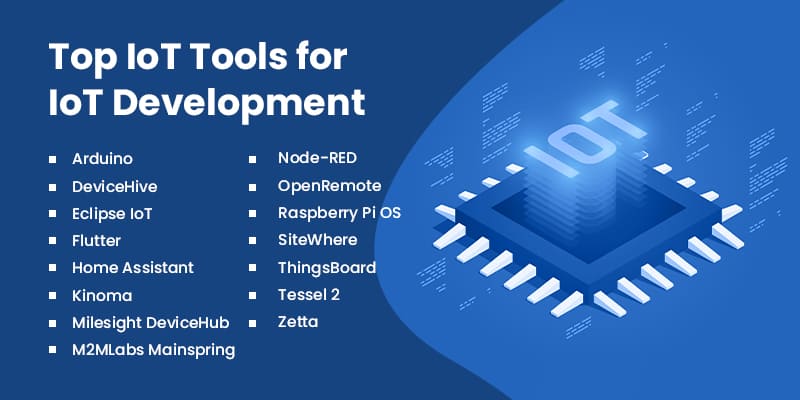
IoT Development: Platforms, Tools, and Programming Languages

Cloud Security: Data Protection, Access Control, and Compliance
Cloud Migration: Strategies, Benefits, Challenges, and Best Practices

French Court Ruling on Apple’s Tracking: App Tracking Transparency Stands

Robotics Breakthrough: Handy Robot That Can Crawl and Pick Up Objects

Apple, Google Announce Multi-Year AI Collaboration Using Gemini: A New Era for AI Assistants


PTA Tax Reduction: What It Means for Mobile Users in Pakistan

Gul Plaza Fire: How a Deadly Inferno Exposed Karachi’s Safety Failures

Verizon Outage Update Critical Service Restored After 10-Hour



The Importance of Data Analytics in Business Decision-Making

The Future of Autonomous Vehicles

75 Countries Visa Pause: What It Means for Global Travel and Immigration

School Closing in USA What Parents Should Know
School Closing in USA, What Parents Should Know


The Best Smartphones for Photography in 2026: Capture Every Moment in Stunning Detail


WordPress Not Loading: Reasons and How to Fix It

How to Fix Slow Loading Issues in Google Chrome

No-Code Business Ideas That Make Millions in 2026

How to Become a Tech Entrepreneur in 2026

How to Create a Successful YouTube Channel in 2026

Best Free Video Editing Software for YouTubers in 2026

How to Make Money Online in Pakistan: Proven Ways to Earn in 2026

Top 5 Laptops for Gaming in 2026: Ultimate Picks for Every Gamer

10 Ways to Boost Your Laptop’s Battery Life


Review of the Latest Smartwatch Trends: What’s Hot in Wearable Tech

Samsung vs iPhone Cameras: Which Is Better for Photography in 2026?
How AI is Changing the Way We Live and Work: Transforming Everyday Life

How to Build a Gaming PC: A Step-by-Step Beginner’s Guide

The Best Password Manager: Secure Your Digital Life in 2026

The Future of Drones in Pakistan: Transforming Industries and Innovation

How to Speed Up Your Laptop: Simple Tips That Actually Work

The Ethics of Facial Recognition Tech: Balancing Innovation and Privacy
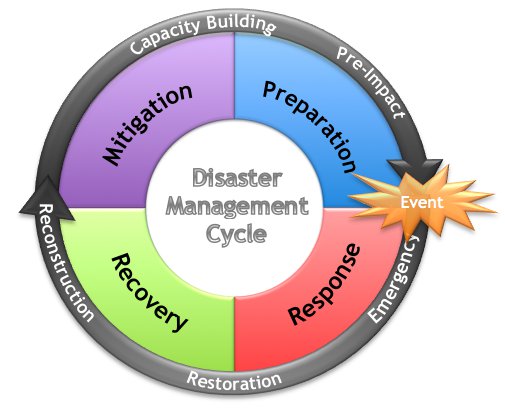
The Role of Tech in Disaster Management: Saving Lives Through Innovation

The Future of 3D Printing: Transforming Manufacturing and Beyond

The Best Free Antivirus Software: Protect Your Devices Without Paying

How to Protect Your Phone from Hackers: Essential Security Tips

The Top Tech Conferences in Asia: Where Innovation Meets Opportunity

The Pros and Cons of Online Shopping: A Complete Guide for Modern Consumers

The Future of Virtual Assistants: Smarter, More Human, and Everywhere

Top Tech Myths Debunked: Separating Fact from Fiction

How AI is Changing Customer Service: Enhancing Support and Experience

Pakistan Top Tech Influencers to Follow: Insights, Reviews & Innovation
Best Remote Development Collaboration Tools Software 2026

The Rise of E-Sports in Pakistan: Gaming as a Professional Career

The Impact of Technology on Pakistan Education System : Transforming Learning and Teaching

The Top Tech Companies to Work for in Pakistan: Careers, Culture, and Opportunities

How to Protect Your Data Online: Tips for Cybersecurity and Privacy

The Role of Women in Pakistan Tech Industry: Breaking Barriers and Driving Innovation

The Dark Side of Social Media: Addiction & More
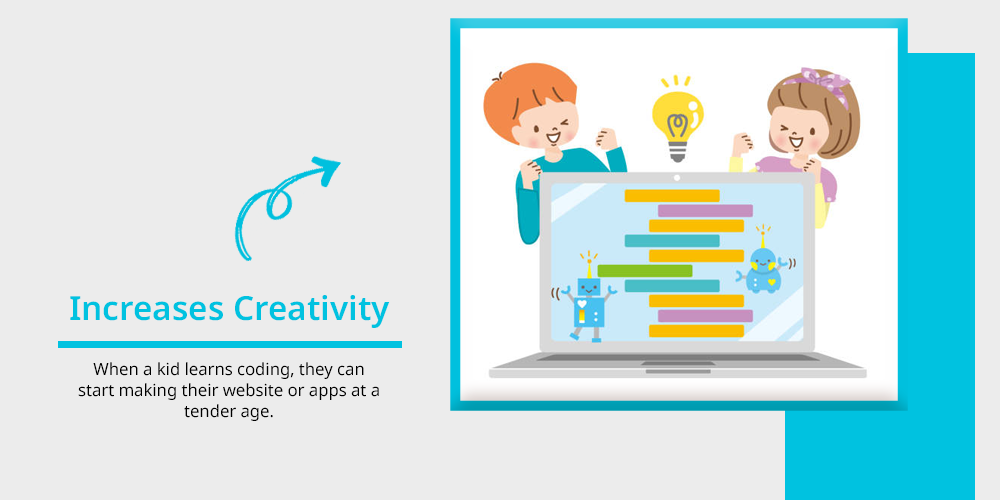
Coding for Kids: Is it Worth the Hype?

The Impact of IoT on Daily Life: Transforming How We Live, Work, and Interact

Top Tech Conferences in Pakistan: Networking, Innovation, and Growth Opportunities

The Future of Electric Vehicles in Pakistan: Opportunities, Challenges, and Growth

The Best Productivity Apps for Students: Maximize Learning and Time Management

Pakistan’s Digital Payment Revolution: Transforming Commerce and Financial Inclusion


The Impact of Technology on Pakistan’s Economy
Top Programming Languages to Learn

The Rise of E-Learning Platforms: Revolutionizing Education

Human-AI Collaboration Tools: AI as a True Teammate Enhancing Productivity and Creativity
Low-Code, No-Code, and AI-Assisted Dev: Democratizing Software Development with AI-Powered Tools

Generative AI 2.0: Multimodal AI systems that combine text, visuals, code, and data, unlocking new enterprise applications

AI Governance and Regulation: Ensuring AI Transparency, Fairness, and Accountability

Humanoid Robots: AGIBOT’s Production-Ready Robots Are Changing Industries
AI in Everyday Life: How AI Is Transforming Daily Tasks and Experiences

AI in Healthcare: How Machine Learning Is Revolutionizing Patient Care

Gaming on the Go: The Evolution of Mobile Gaming

The Ethics of Technology: Balancing innovation with responsibility

Virtual Reality: Transforming the Way We Experience the Digital World

Demystifying Quantum Computing: What You Need to Know

The Role of Internet of Things in smart cities (IoT) in Shaping the Future of Cities
The Top Emerging Tech Trends in Pakistan

The Benefits and Drawbacks of Virtual Reality in Education

How Blockchain is Revolutionizing Industries Beyond Crypto currency

The Pros and Cons of Facial Recognition Technology

The Rise of Smart Homes: How Technology Is Changing the Way We Live

Cybersecurity in the Age of Remote Work: Challenges and Solutions


The Future of Artificial Intelligence: Trends to Watch

The Benefits of Microservices Architecture for Modern Applications

The Role of Artificial Intelligence in Predictive Maintenance

How Businesses Can Leverage Social Media Analytics for Growth

The Impact of Quantum Computing on Cybersecurity: A New Era of Threats

The Benefits of Serverless Computing 2026, The Architecture for Modern Applications

Why Businesses Should Prioritize Digital Transformation in 2026

The Potential of Augmented Reality in Education and Training

The Role of DevOps in Modern Software Development: Benefits and Challenges

Cloud Computing for Small Businesses: Benefits and Best Practices

The Future of Work: How Automation and AI Are Transforming the Job Market

Blockchain in Supply Chain Management: A Game-Changer for Transparency and Efficiency

Data Analytics: Unlocking Business Insights and Driving Growth

5G for Businesses: Leveraging Next-Gen Connectivity for Growth

Cybersecurity in the Age of IoT: Threats and Opportunities

The Future of E-commerce: How AI is Revolutionizing Online Shopping

Birdbuddy Smart Bird Feeder Launches at CES 2026: Birdbuddy 2 and Birdbuddy 2 Mini

Descriptive Set Theory and Computer Science: A New Bridge Links the Strange Math of Infinity to Algorithms

Most Anticipated Video Games 2026 That Gamers Can’t Wait For

Voicebuds: Subtle Launches Next Generation Earbuds for Voice Computing

Robots: Transforming the Future of Technology and Daily Life

Graphic Designing: The Art and Science of Visual Communication

Xthings Smart Home Devices at CES 2026 Redefine Home Security and Automation

SwitchBot Onero H1 Home Robot Redefines Smart Living at CES 2026

Beats Solo 4 Headphones Deal: Amazon Slashes $70 Off in All Colors

Digital Marketing Services for Small Businesses: Simply Social Media LLC Expands to Drive Growth
Why Japan’s Internet Feels Unusual to Outsiders — But Makes Sense to Locals


ASUS Unveils ROG Strix XG34WCDMS Featuring a 34-Inch 280Hz 5th-Gen QD-OLED Display

The Top Agentic AI Browsers to Watch in 2026